The Cheapest Complete Land Cycle: Fetches, Shocks, Duals, and More Compared
By TheCardRamp Team · July 22, 2026 · 6 min read
If you want to own a complete ten-card land cycle, the cheapest full sets by a wide margin are the modern budget cycles — the Pathways, the tapped Triomes' cheaper cousins, and the common gain-lands — while shocks sit in the affordable middle and original dual lands like Tundra are hopelessly out of reach. Below is a plain comparison of what it actually costs to finish each cycle, ordered roughly from most painful to most reasonable, so you can pick the mana base your wallet can survive.
Why "complete cycle" is the right way to shop
Mana bases don't come one land at a time. If you play more than one color across multiple decks, you eventually want the whole ten-card cycle so you can slot the right land into the right deck without re-buying. That changes the math: a $3 land isn't cheap when you need all ten, and a "pricey" cycle can still be the smart buy if it does the most work.
The cycles worth comparing all cover the ten color pairs (or the five allied/five enemy splits). Here's how they stack up.
The tiers, cheapest cycle first
| Cycle | What it does | Relative full-set cost |
|---|---|---|
| Gain lands ("Life lands") | Enters tapped, gain 1 life, taps for two colors | Rock-bottom cheapest |
| Tapped dual "guildgates" | Enters tapped, taps for two colors | Rock-bottom cheapest |
| Pain lands | Untapped, 1 damage for colored mana | Cheap |
| Fast lands | Untapped if you control 2 or fewer other lands | Moderate |
| Pathways (MDFC) | Choose one of two colors, untapped | Moderate |
| Check lands | Untapped if you control the right basic type | Moderate |
| Shock lands | Untapped for 2 life, have basic types | Upper-mid, the sweet spot |
| Fetch lands | Fetch a typed land, thin deck, enable landfall | Expensive |
| Original dual lands | Untapped, two basic types, no drawback | Effectively a luxury purchase |
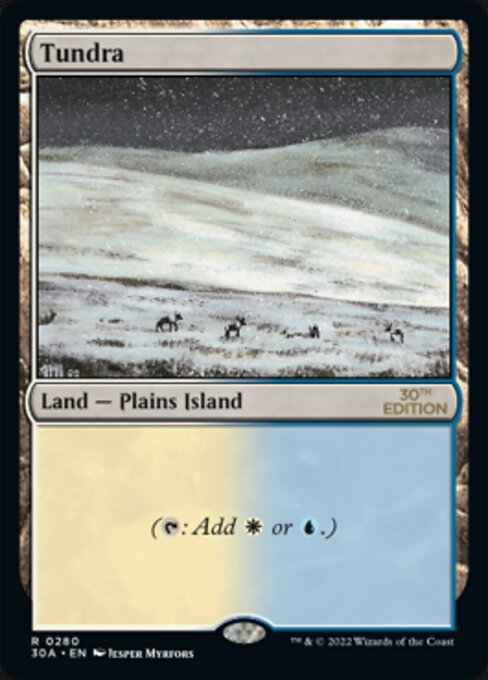
The takeaway from the table: the further down you go, the better the lands play and the more you pay. Original duals like Tundra top our value board at four figures apiece — a complete set is a collector's project, not a mana base decision.
The genuinely cheap cycles (buy these first)
If your only goal is casting your spells on curve without spending real money, the tapped dual cycles are the answer. Gain lands and guildgate-style tapped duals are the cheapest complete sets in the game. They enter tapped, which stings in a fast deck, but in most Commander pods and casual 60-card builds you will never feel it.
Pain lands are the best value-to-playability jump. They enter untapped and only cost you life when you actually need the colored mana — in a two- or three-color deck you often tap them for colorless anyway. A complete pain-land cycle remains a budget staple and it's the first upgrade I recommend over tapped lands.
The middle: fast lands, Pathways, and check lands
This is where you start paying for untapped mana without paying shock-land prices.
- Fast lands shine in aggressive, low-curve decks — they're untapped early when it matters and tapped late when it doesn't.
- Pathways are modal double-faced cards: you pick one color, and the land always enters untapped. They're excellent in two-color decks and only average in decks that need both colors from one source. Their full-cycle price is moderate.
- Check lands want basic-typed lands to unlock untapped entry, which means they pair beautifully with fetches and shocks — but that synergy also means they're at their worst in a deck with only budget tapped lands.
All three cycles are worth owning, and none will empty your wallet the way fetches will.
Shock lands: the value sweet spot
Shock lands are the single best price-to-power ratio in the game for serious mana bases. They enter untapped for 2 life, carry basic land types (so fetches can grab them and check lands see them), and never have a dead late-game turn. A complete shock cycle costs meaningfully more than the budget tiers but a fraction of a fetch cycle.
If you're building one strong deck and want it to feel real, finish the shocks before you touch fetches. They do 90% of the work for a much friendlier total.
Fetch lands: expensive, and worth it eventually
Fetch lands are the most expensive playable cycle — the enemy fetches and allied fetches together are a real investment. What you're paying for is deck thinning, landfall triggers, graveyard fuel, and the ability to grab exactly the shock or dual you need. In a deck built around Sol Ring-fast starts and precise color fixing, they're the ceiling.

But be honest about the deck. A fetch is only fully worth it when it can grab something better than a basic — pair it with shocks and typed duals, or it's just a painful basic that thins your library. Buy fetches last, when the rest of the mana base already justifies them.
Original dual lands: not a real buying decision
The ten original dual lands — the untapped, no-drawback, dual-basic-type gold standard — are a luxury tier. Tundra alone sits at four figures on our board, and a full set is a five-figure ambition. They are strictly better than shocks in a vacuum (no life loss), but the gameplay gap over shocks is tiny compared to the price gap. Nobody needs originals to win. Buy them because you want to own them, not because your deck requires them.

What I'd actually buy, in order
- Pain lands — cheapest cycle that enters untapped; start here.
- Shock lands — the value sweet spot; finish these for any deck you love.
- Check lands or Pathways — round out a two/three-color base cheaply.
- Fetch lands — only once shocks and typed duals make them worth it.
- Original duals — a collector's flex, never a requirement.
And if you just want to play tomorrow for the least money possible, grab a complete set of tapped gain lands or guildgates and upgrade one cycle at a time.
Bottom line: the cheapest complete cycle is a tapped dual set, the smartest complete cycle is shocks, and fetches and original duals are ceilings you climb toward — not the place a budget-minded player starts.
Where to buy
Not financial advice. Card prices are volatile and can fall as easily as they rise — everything here is informational and reflects prices at the time of writing. Do your own research before buying to speculate.