MTG Card Conditions Explained: What NM, LP, MP, and HP Really Mean (and How Much You Save)
By TheCardRamp Team · July 13, 2026 · 6 min read
Card condition is the grading scale sellers use to describe wear, and it directly changes what you pay: a Lightly Played single is typically 10-20% cheaper than Near Mint, while Heavily Played copies can be 40-60% off. Learning to read the grades — and knowing when to trade a little wear for a lot of savings — is one of the easiest ways to spend less on singles without getting burned.
The four main grades, defined
Most stores (and TCGplayer's standard) use these four tiers. The exact wording varies, but the spirit is consistent:
| Grade | Abbrev. | What it looks like | Typical discount vs NM |
|---|---|---|---|
| Near Mint | NM | Pack-fresh or nearly so. Minor factory wear allowed, sharp corners, clean edges, no scratches. | Baseline (0%) |
| Lightly Played | LP | Light edge/corner wear, minor scratches, maybe a tiny nick. Still looks great sleeved. | ~10-20% |
| Moderately Played | MP | Obvious wear: whitening on edges/corners, scratches, light creasing, minor clouding. | ~25-40% |
| Heavily Played | HP | Heavy whitening, creases, scuffs, water spots, or writing. Structurally intact but rough. | ~40-60% |
Below HP is Damaged (DMG) — tears, holes, heavy water damage, or anything affecting the card's integrity. Damaged cards are the cheapest but often not tournament-legal even sleeved, and many sellers won't ship them across a border or grade them consistently.
The gotcha: grading is subjective
There is no universal, enforced standard for raw (ungraded) singles. One store's LP is another's MP. Photos matter enormously — a listing with actual photos of the exact card is worth more trust than a bulk "NM" listing with a stock image. When a card is expensive, always buy from listings with real photos or a strong return policy.
How much condition actually changes the price
Here's where the money is. On cheap cards, condition barely matters — an LP common is fractions of a cent off. The percentage discounts are the same across the board, but the dollars scale with the card's value. That's the whole game.
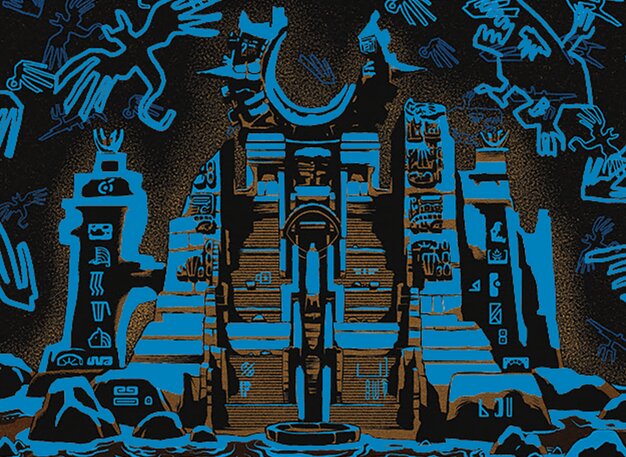
Consider a genuine chase card like Cavern of Souls, which sits around $4,900 in Near Mint.
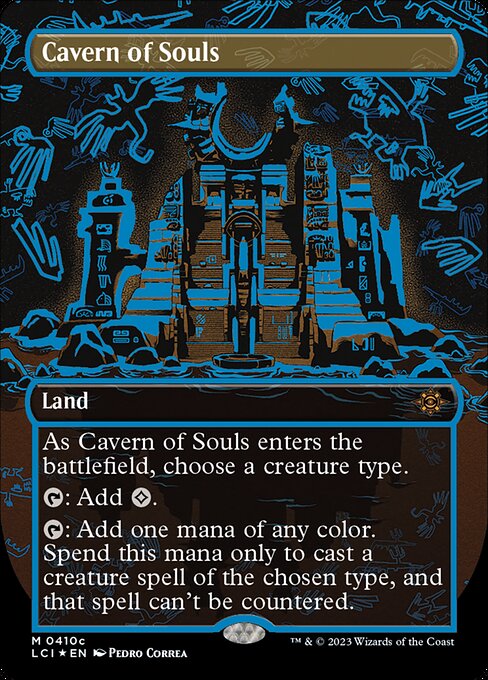
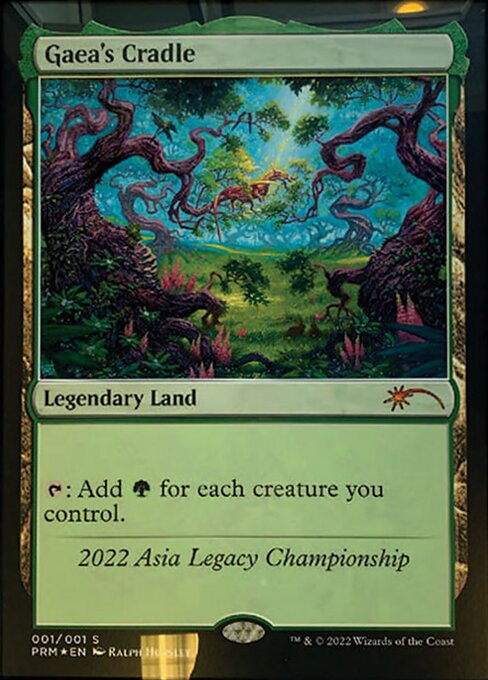
At a 15% LP discount that's roughly $735 saved; at MP you could be looking at well over a thousand dollars off. Suddenly "a little edge wear" is a down payment on another expensive card. The same logic applies to any high-value staple — Sol Ring in its Old School printings, dual lands like Tundra and Badlands, or Reserved List heavyweights like Gaea's Cradle.
On a $4,100 Tundra, the difference between NM and MP can easily be $1,200-$1,600. If you're a player sleeving it into a Commander deck and not a collector chasing pristine copies, that's an enormous, low-risk saving.
When to buy the cheaper condition (and when not to)
Buy played copies when:
- You're playing the card, not collecting it. Sleeved, a clean LP or even MP card is indistinguishable across the table.
- The card is expensive. The higher the price, the bigger the absolute dollar saving from dropping one grade.
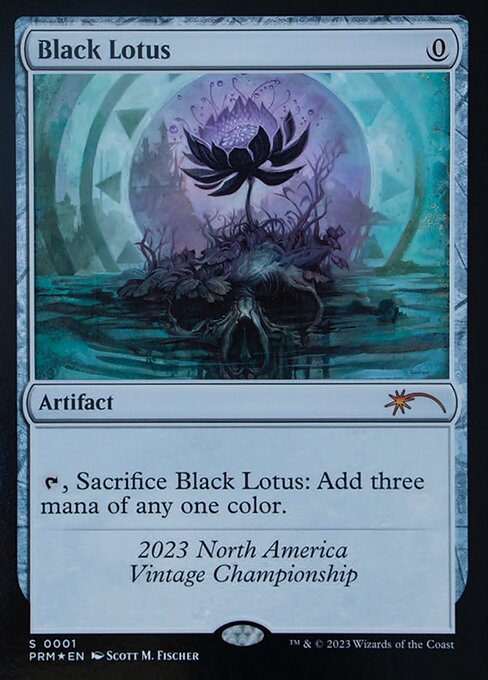
- It's a Reserved List or old card where NM copies are scarce and command a huge premium. Finding a NM Black Lotus is nearly impossible and the surcharge is brutal; a played copy still plays and looks great in a sleeve.
- The wear is on the back or edges, not a crease running through the face.
Pay up for Near Mint when:
- You're collecting or intend to grade (PSA/BGS). Grading companies punish edge wear and surface scratches hard, so start with the best raw copy you can.
- It's a modern, in-print card. NM copies are plentiful and cheap, so there's little reason to accept wear on something like a recent Star Trek Commander reprint.
- Foils. Foil wear is more visible and more damaging to value — foil clouding, curling, and edge peeling are common and ugly. Be extra picky on premium foils from sets like Marvel Super Heroes.
- The discount is tiny. If MP is only 8% cheaper than NM on a mid-value card, just buy the NM.
Special cases that trip people up
Foils and their unique problems
Foils have condition issues NM/LP grading doesn't fully capture. "Foil curl" (the card bowing) and "foil clouding" (a hazy line across the surface) can appear on cards graded as LP or even NM. If you're spending real money on a premium foil — say from a Universes Beyond set — insist on photos that show the card at an angle so you can spot curling and clouding.
Foreign, misprints, and alters
Condition grading assumes a standard card. Foreign-language printings, miscut misprints, and altered art are graded loosely and priced all over the map. Judge these case-by-case and lean on photos.
"Whitening" is the tell
The single most common wear indicator is whitening — the white core of the card showing through worn black borders at the corners and edges. A quick way to eyeball a grade from a photo: sharp black corners = NM/LP; visible white flecking = MP; heavy white halos or creasing = HP.
A practical buying checklist
- Decide: player or collector? This determines your whole approach. Players should default to the cheapest clean-looking condition; collectors should default to NM.
- Compare the actual dollar gap, not the percentage. A 15% discount means nothing until you multiply it by the card's price.
- Demand photos on anything expensive. No photos, no trust — or buy only from sellers with strong return policies.
- Check the seller's grading reputation. Some undergrade (pleasant surprises), some overgrade (nasty ones). Reviews tell the story.
- Factor in sleeving. If it lives in a sleeve forever, minor face wear costs you nothing in play experience.
- On foils, always look for curl and clouding regardless of the listed grade.
The bottom line
Condition is a discount lever, not a warning label — on high-value staples like Cavern of Souls or Tundra, dropping from NM to LP or MP can save hundreds of dollars for a card that plays identically sleeved. Buy the best condition you can afford if you collect or grade; otherwise, chase the cheapest clean copy and put the savings toward your next card.
Not financial advice. Card prices are volatile and can fall as easily as they rise — everything here is informational and reflects prices at the time of writing. Do your own research before buying to speculate.